Work
Cho Kwan -Young (Aesthetics, Art Critic)
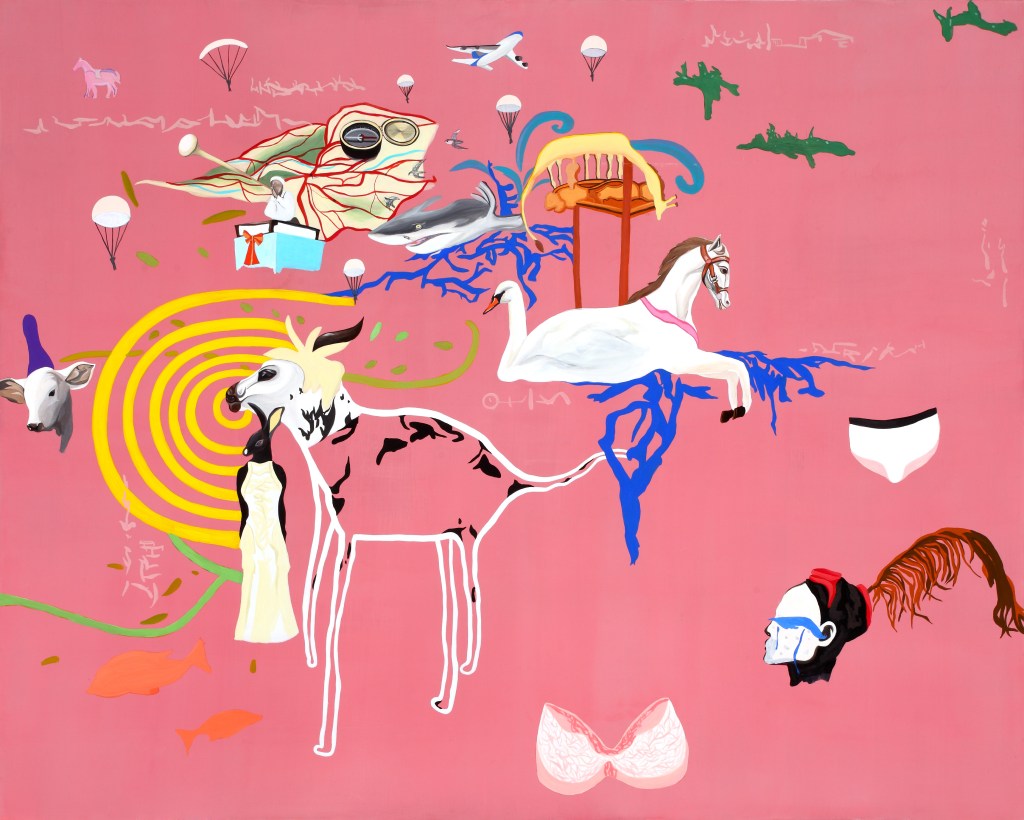
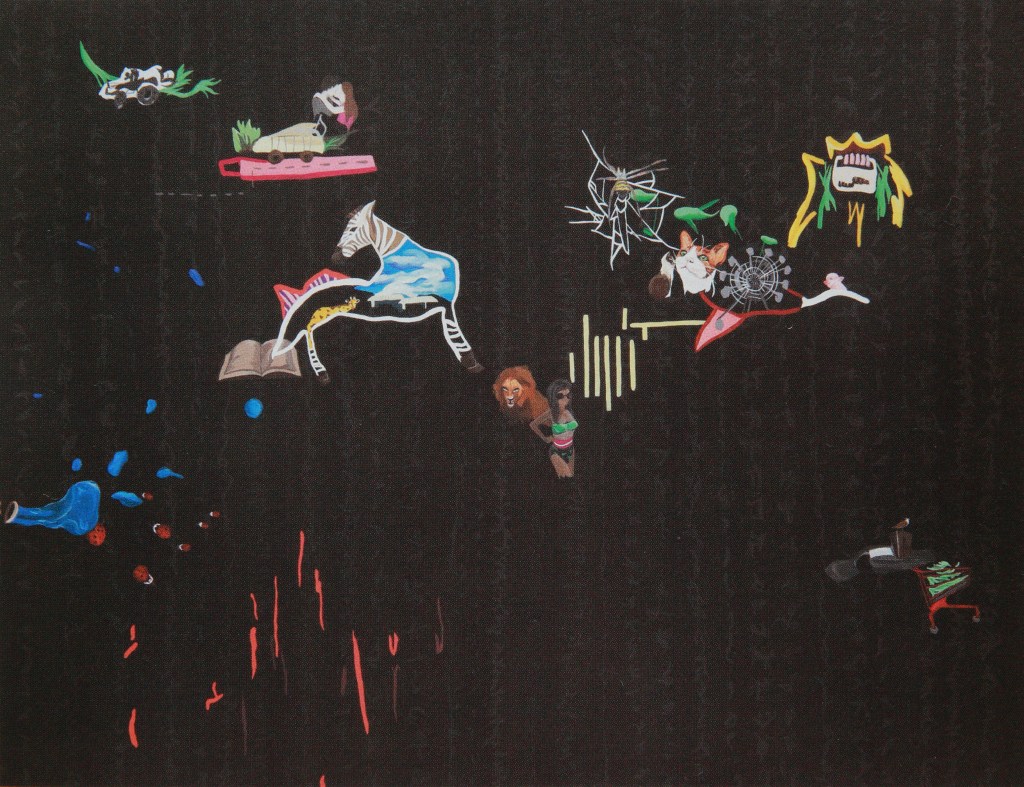
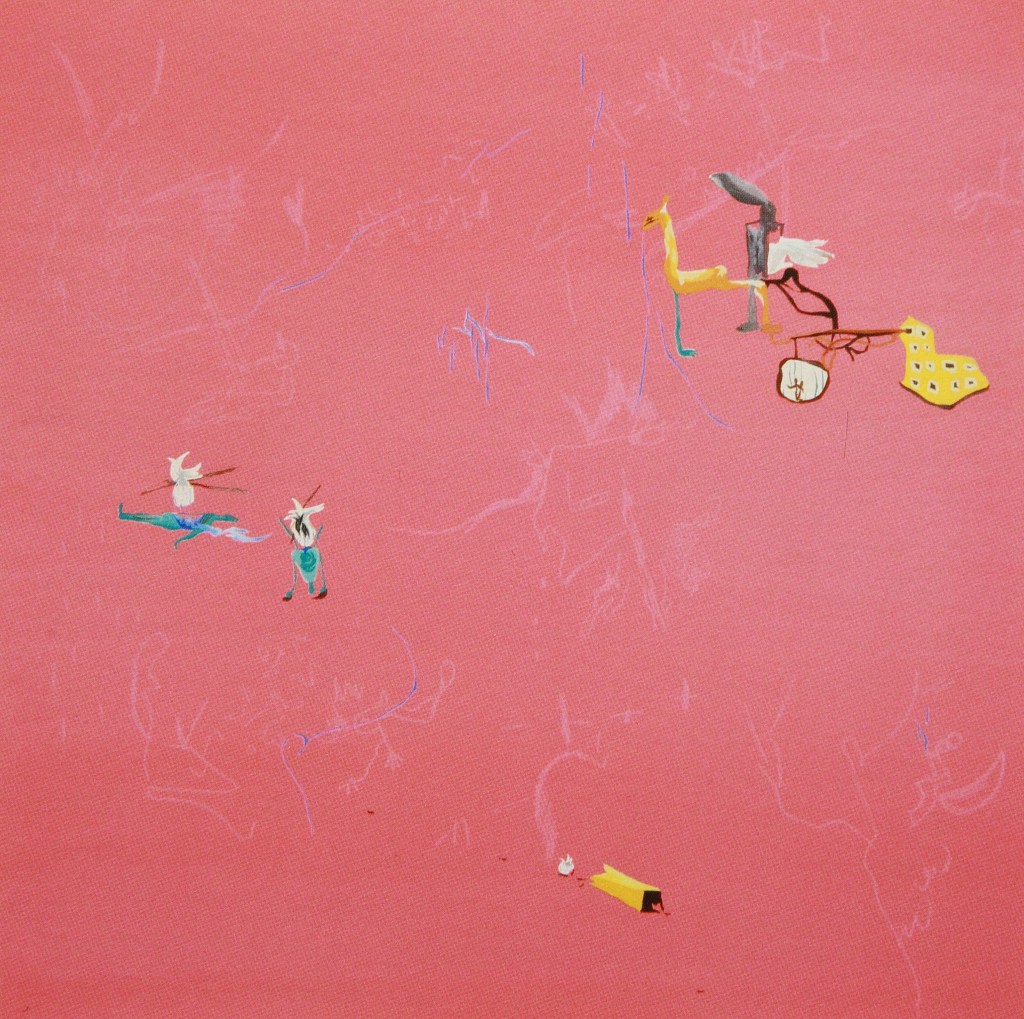
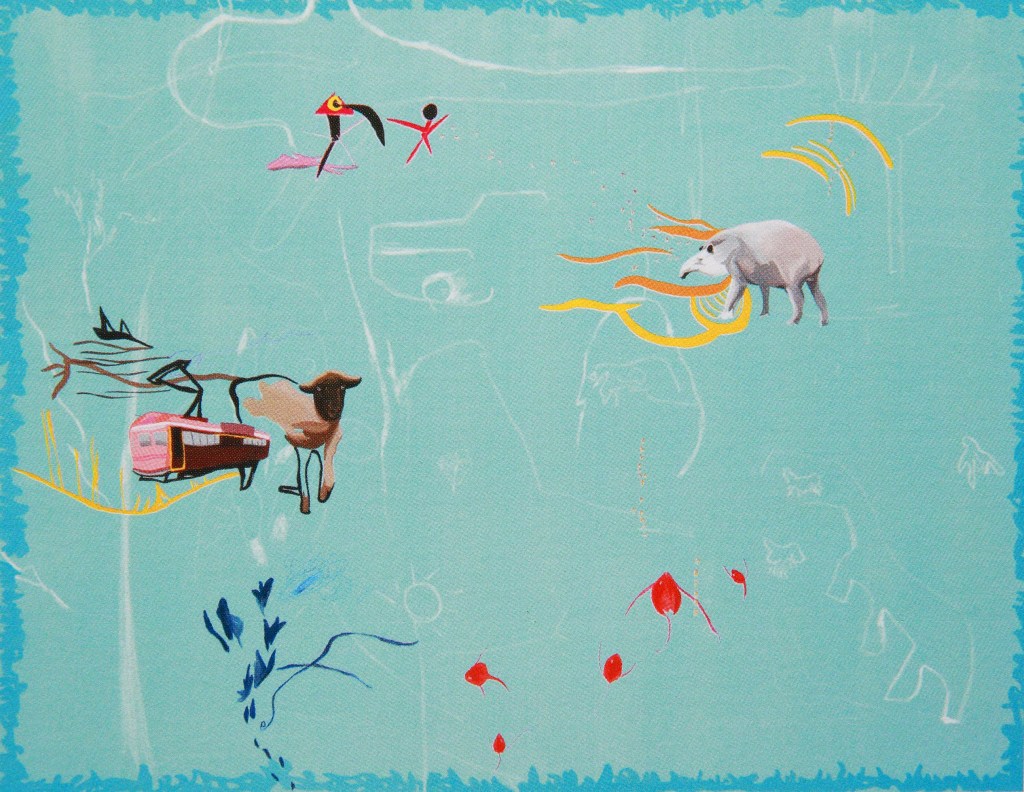
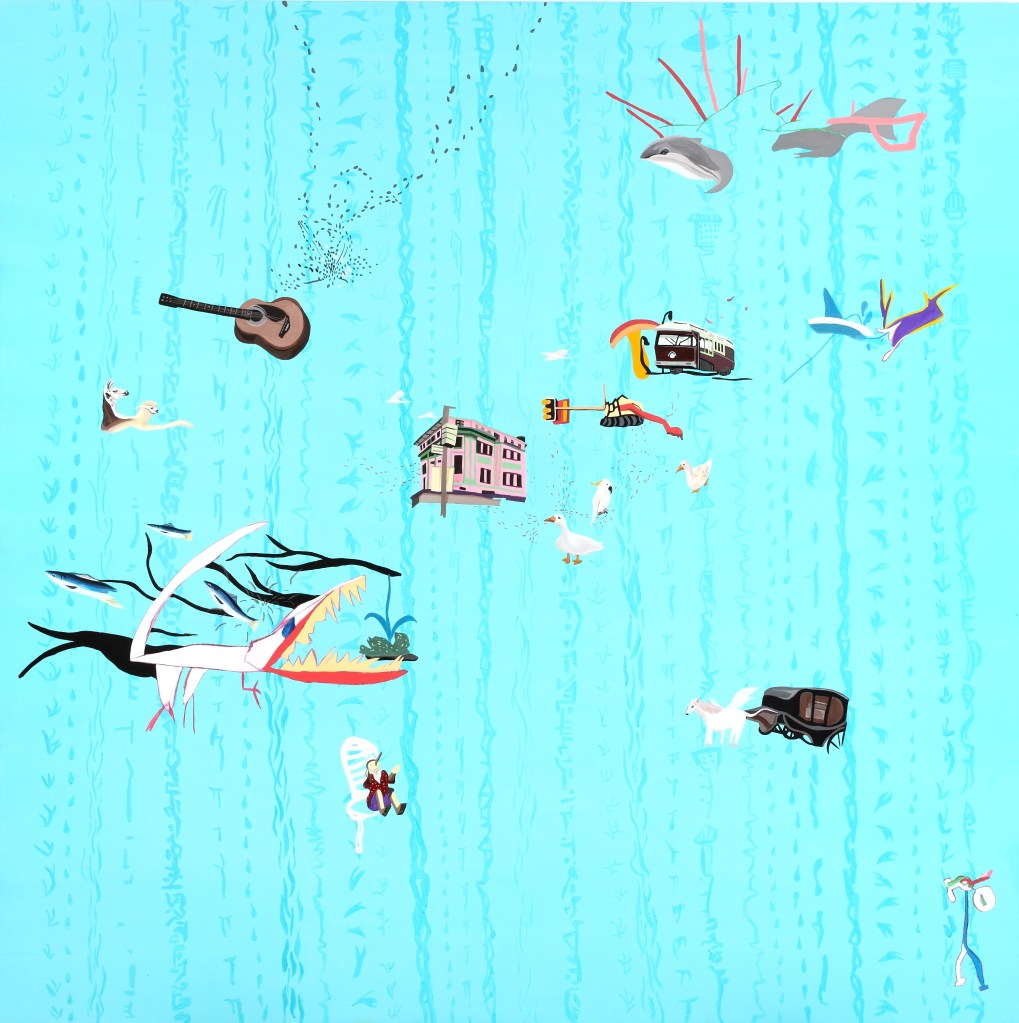
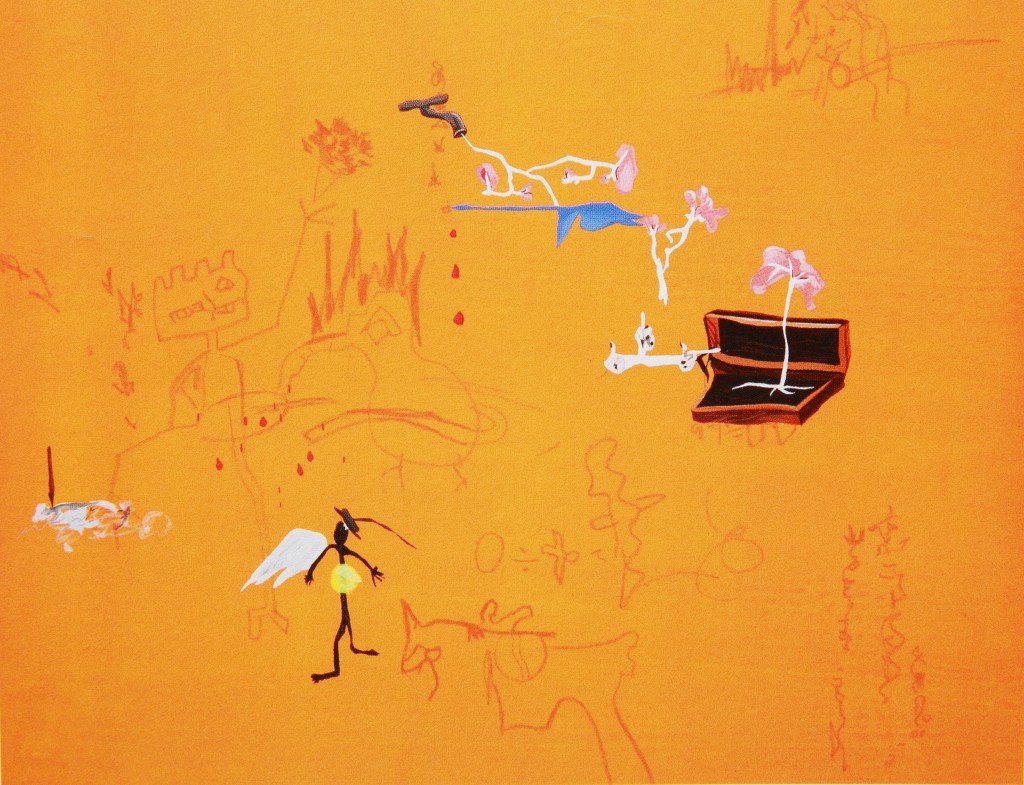
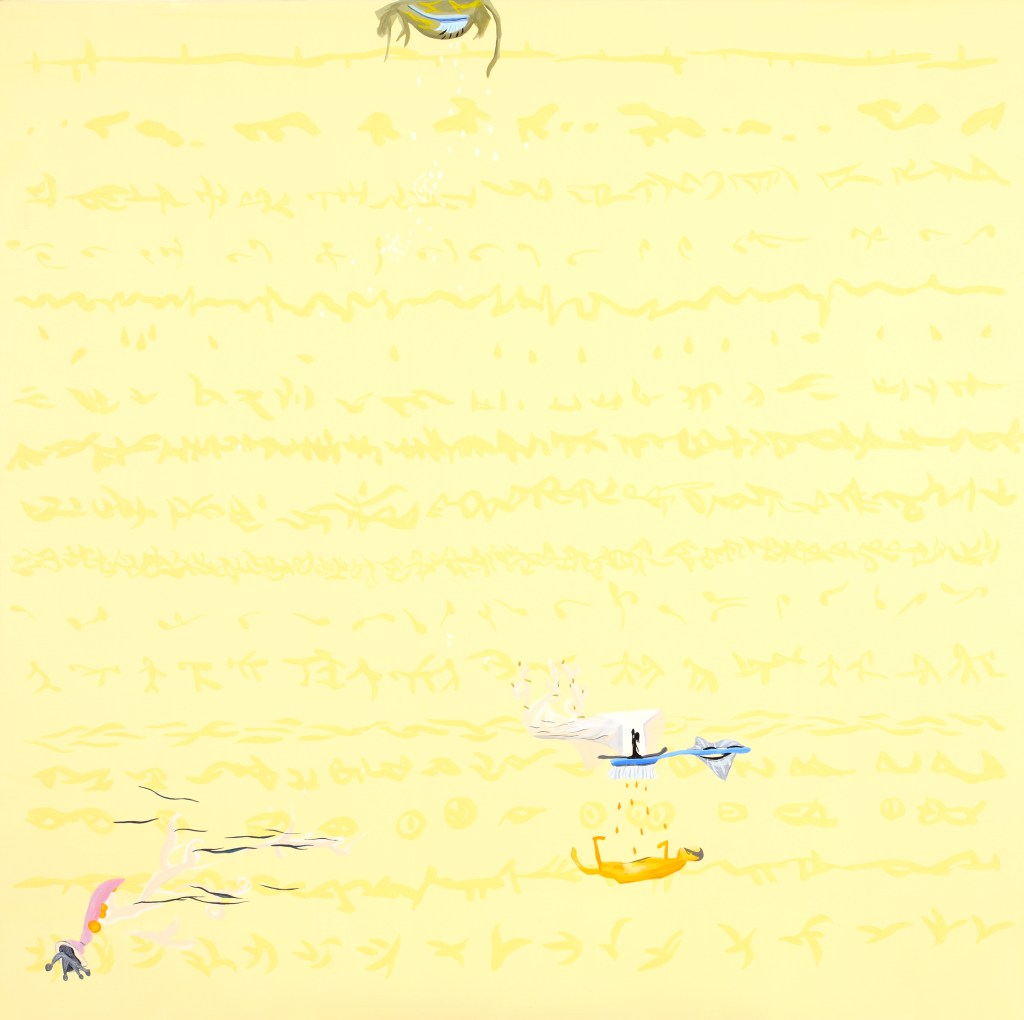
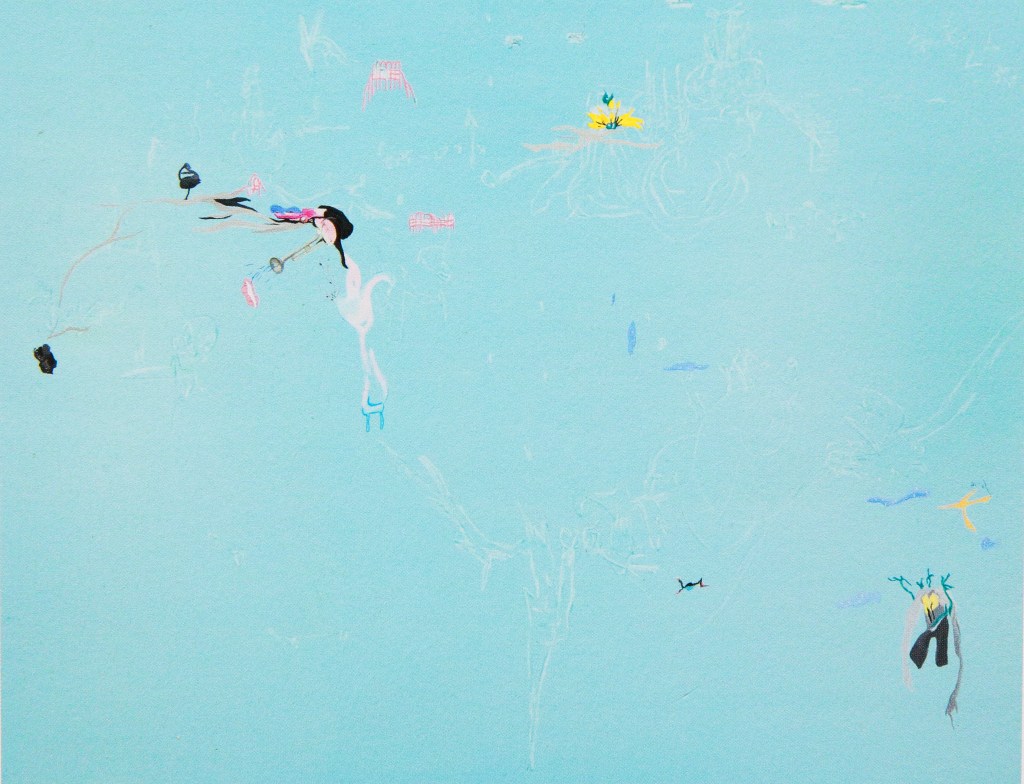
Choi Ok-hee’s painting is like having a dream during daytime. The vibrant colors filling up the background spaces feel like irresistible attractions evoking desire, as if they are moths jumping into fire despite their tragic fate of being burnt. To tone down the exuberance exuded by the brightly hued surfaces is the role of signs that are delineated with the faint shades of several lines.
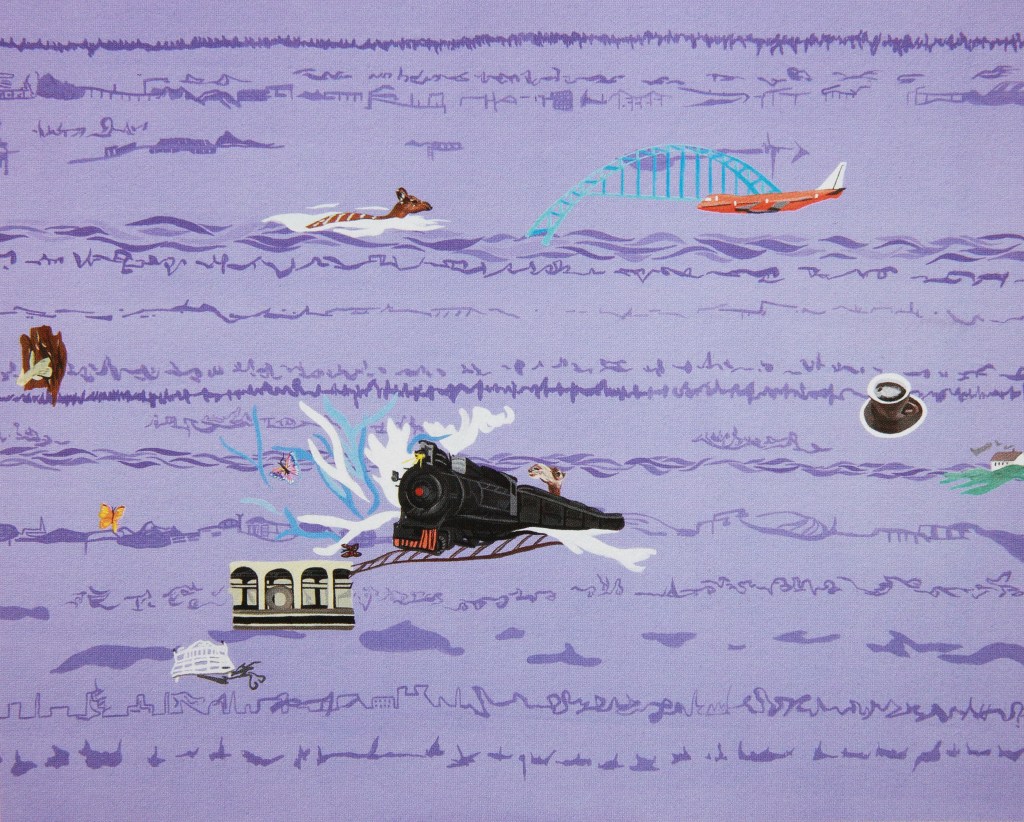
The signs symbolize characters as seen in Choi’s previous work. Calligraphic characters represent a painter’s mind in a condensed way like poems. The characters on her canvas, however, evoke subtle, poetic sensations, making it hard for the viewer to catch the latent meaning hidden under the colorful surfaces. The vague characters serve as symbolic signs undulating between the real and the unreal like hazy consciousness submerged under the mental surfaces of daily lives.
Yielding a lingering sentiment which is particular in Asian Ink painting, the characters are well tuned with the figures and shapes reflecting images on her mind, allowing the viewer to be absorbed into the unusual taste of acrylics and mixed materials. The figures and images on the canvas take the viewer to feel like strolling in a somewhat strange world different from the reality.
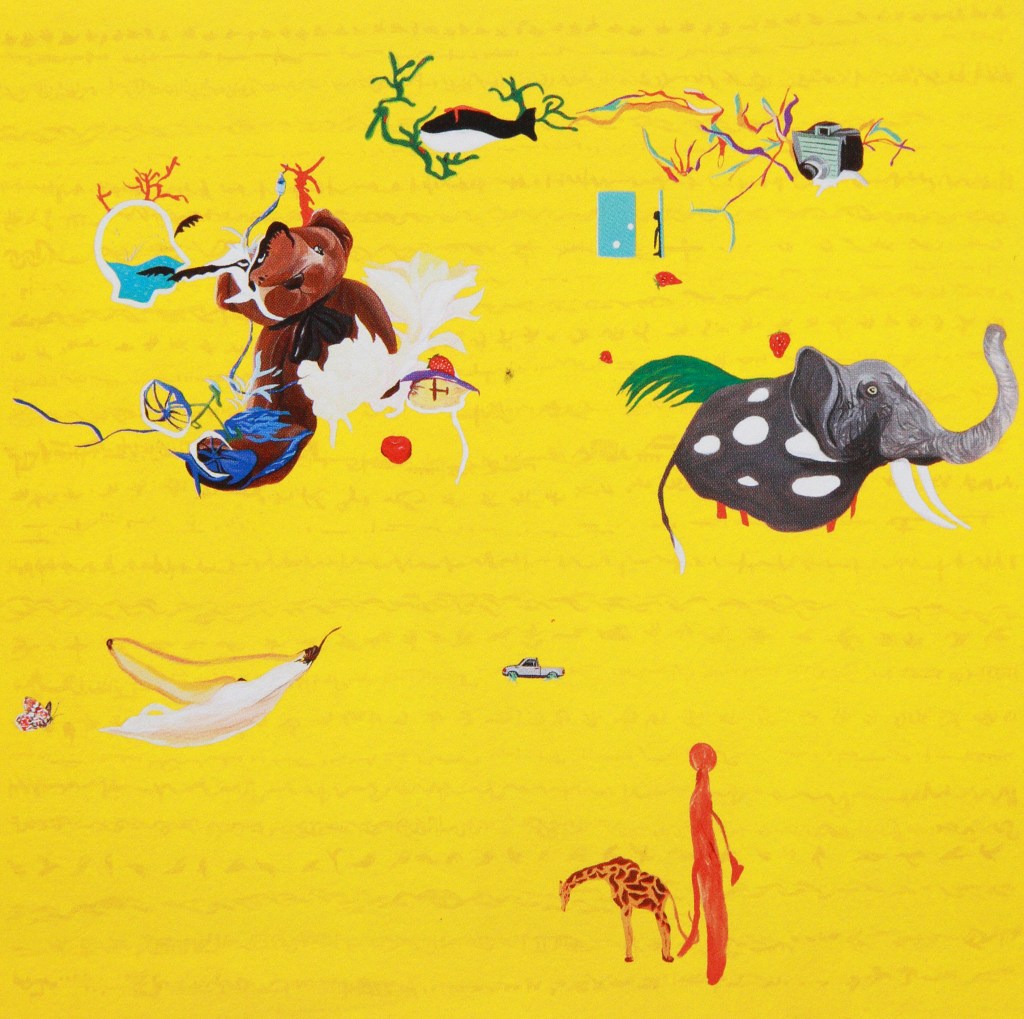
The depictions of bananas bigger than giraffes, a deer crossing the Han River, and cars running over the bridge represent Choi’s subjective images putting a little zest in our daily lives. Like puppies playing with a ball, the images show people laid back and relaxed by keeping distance from daily routines, instead of being restrained by them. In other words, they reveal a sentiment of being relaxed like that of WaYou (臥遊, sightseeing in reclining postures, metaphorically meaning basking in quality paintings by well-known artists at home).
That kind of impression is effectively revealed through the contrastive juxtaposition of noticeable characters against a yellowish background, thus offering an emotional empathy in the minds of the viewer. The characters in the canvas not only get harmonized with a variety of figures and shapes, but also evoke an illusive image as if they are about to jump out of the painting any minute and walk around.
The sentiment of WaYou seems to be embodied from the moment that the viewer feels as if the background is a kind of emptiness, due to the seamless fusion between the hardly recognizable figures, shapes and characters. Choi may have prepared for the journey toward a certain type of free moments as soon as she began to fill the backgrounds with colors. The midget blackish shadow showing itself after slightly pushing aside the scene of sprightly, playful elephants and teddy bears seems to watch the images.
Even though the pictorial images may look unrealistic to the viewer, they must have been more than real at that moment at least to the artist. The illusive moment was captured when the separate state of being two worlds melted into one beyond the barrier between the true and the false. It may have been the moment the reality felt like an illusion of being unreal.
With the subtle hues and brushstrokes of Korean painting that enable the understated shade of the otherwise too extravagant colors from mixed materials including acrylics, Choi’s recent exhibit draws a great deal of expectations that it will probably present affluent whimsical ideas by a different perspective instead of dull, boring reality, thus leading viewers to get a little glimpse into her reverie.
 Okhee Choi
Leave a comment